Liz McAlpine
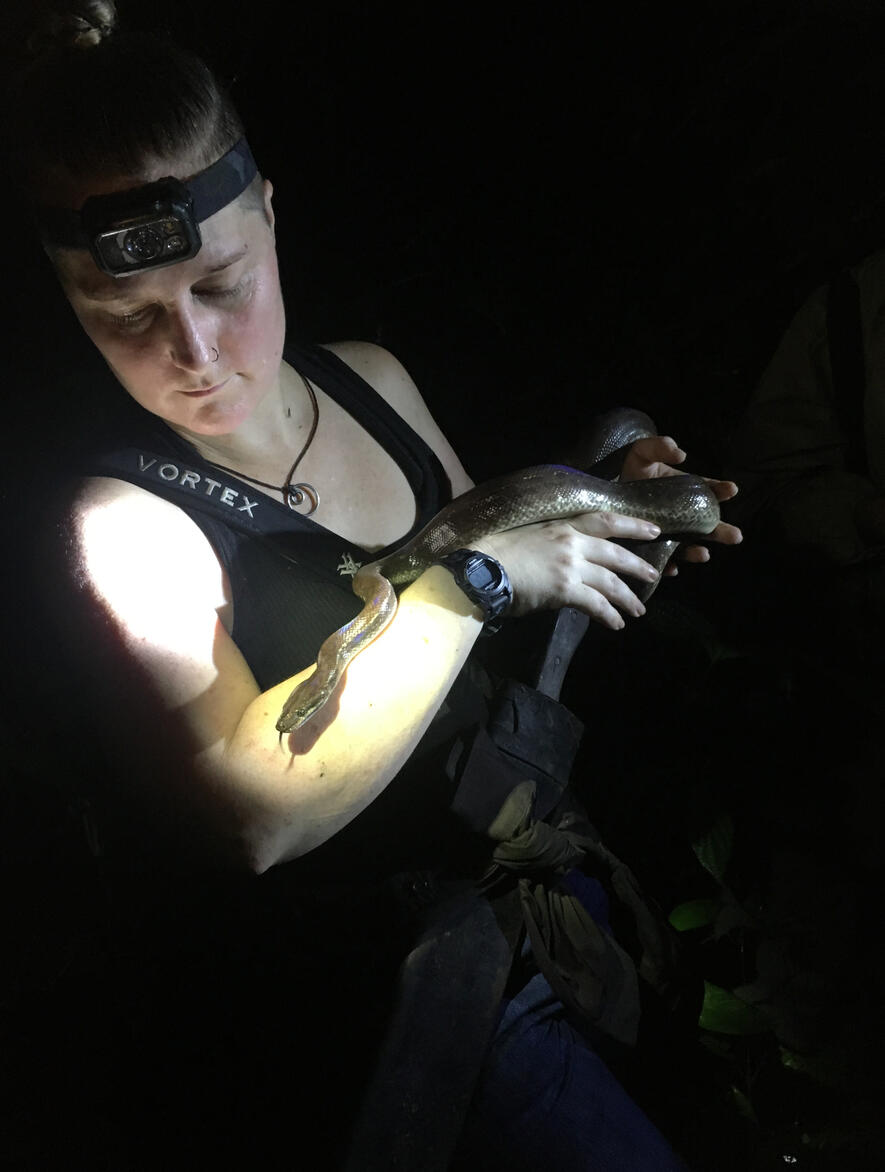
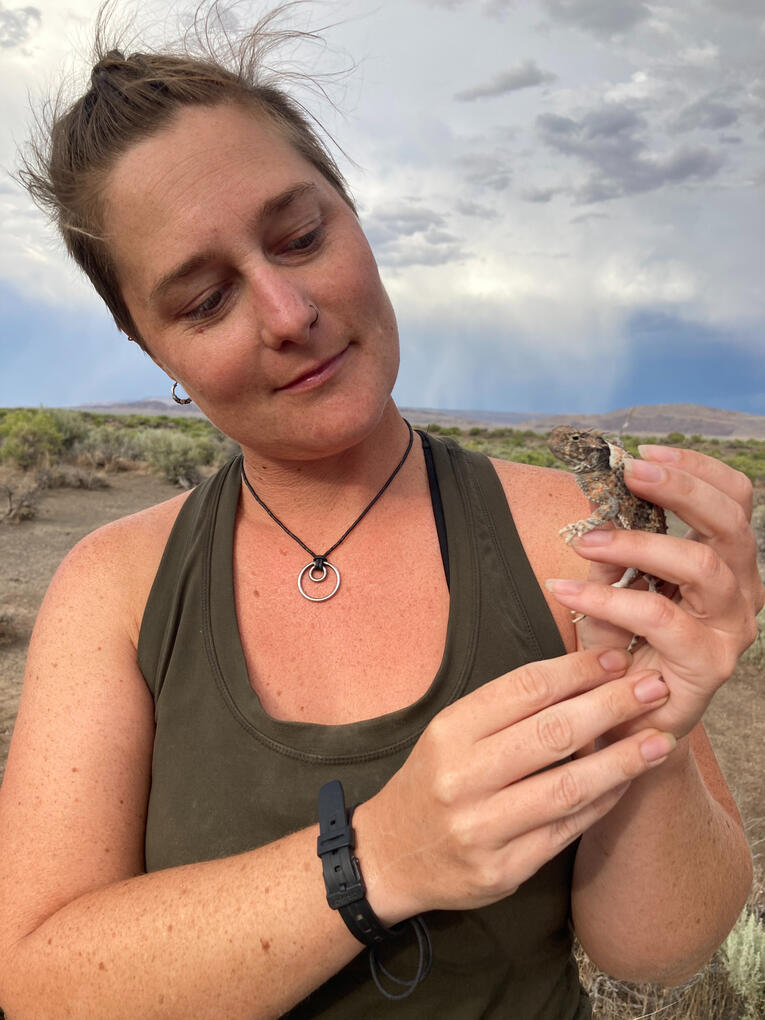
Hi, I'm Liz, I'm a research ecologist based on the east coast of the United States.My research focuses on biodiversity and adaptation to anthropogenic change - I'm specifically interested in how species survive in a changing world. I mostly work with amphibians and reptiles, but I have also worked on projects with marine invertebrates and freshwater and marine fish.I am currently a doctoral student at Penn State University working with Dr. David Miller and Dr. Julian Avery to study adaptation and behavior of terrestrial turtles on the east coast of the United States.I am a huge advocate for free access to science, so please feel free to message me for a copy of any of my papers.
Current Projects
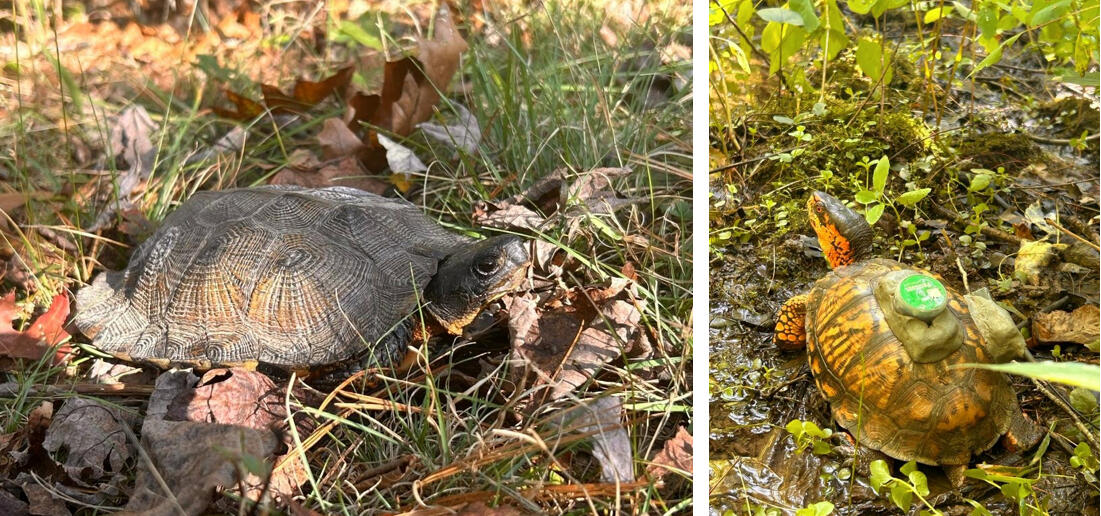
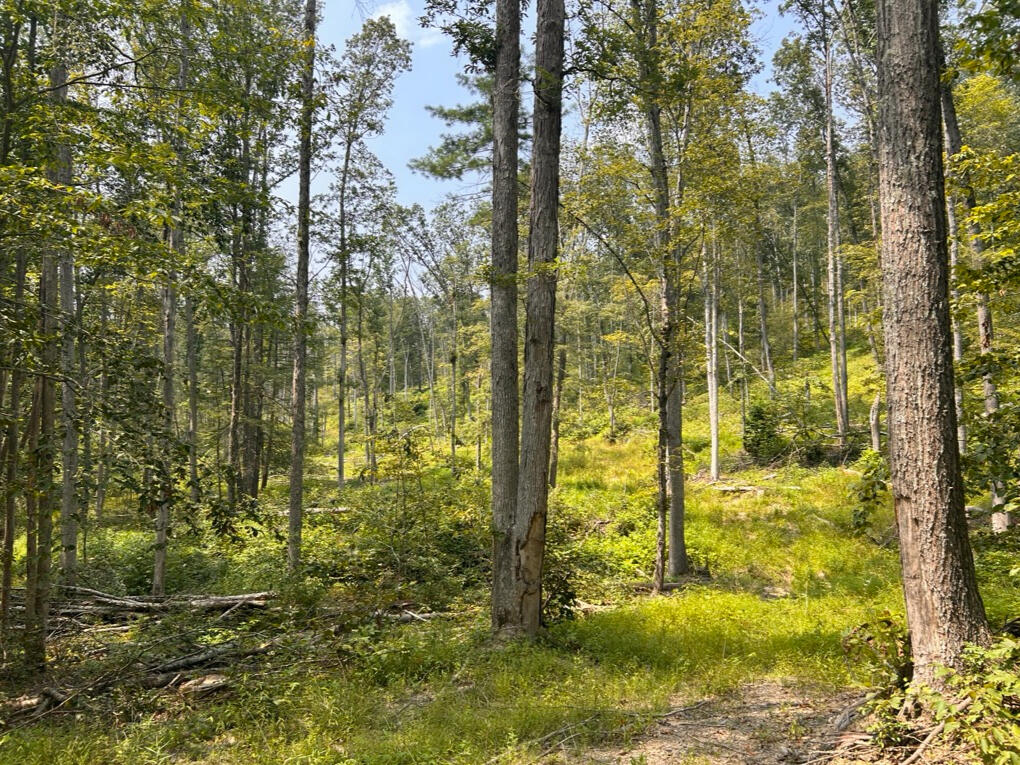
I am currently working on a broad study of the impacts of forest management on the thermal profile of the landscape. I am specifically interested in how this relates to heat tolerance, thermoregulation, and movement of forest-dwelling reptiles.
My focus is on how our management strategies impact how animals move through habitat as seasonal temperatures shift, and how this behavior will change as temperatures increase.
Past Research
I work with a variety of species focusing on biodiversity and adaptation to environmental change. Here is a selection of projects.Reef fish behavior (French Polynesia):
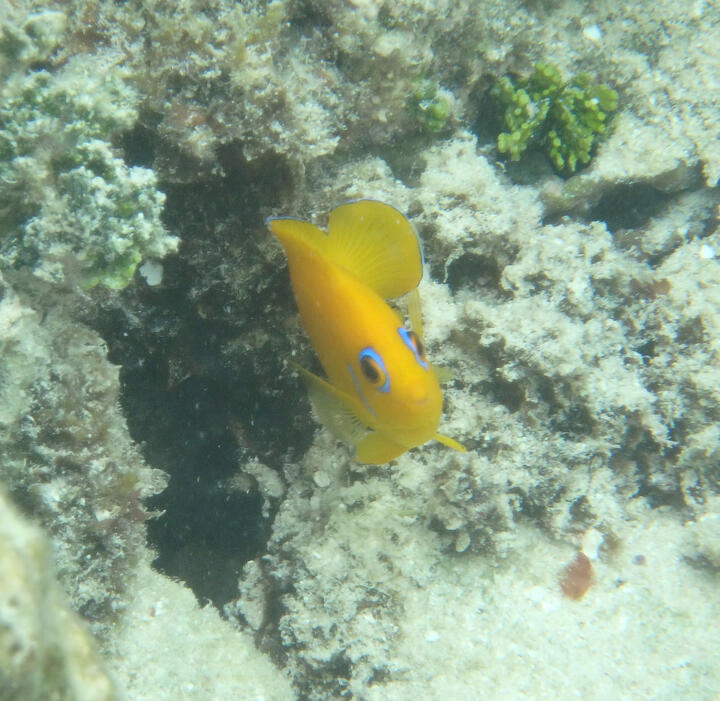
I spent 4 months studying the effects of tourist activity on the behavior of tropical reef fish in Mo'orea, French Polynesia. I found that fish are increasingly aggressive and decreasingly shy when exposed to frequent encounters with humans.Sculpin morphology and behavior (Washington, USA):
I worked with Dr. Alice Gibb and Dr. Adam Summers at Friday Harbor Labs in Washington, USA studying adaptation of Pacific staghorn sculpin (Leptocottus armatus) in different substrate types. I presented my work at the Society of Integrative and Comparative Biology (SICB) meeting in 2019. Check out our abstract here.Biodiversity studies (California, USA):
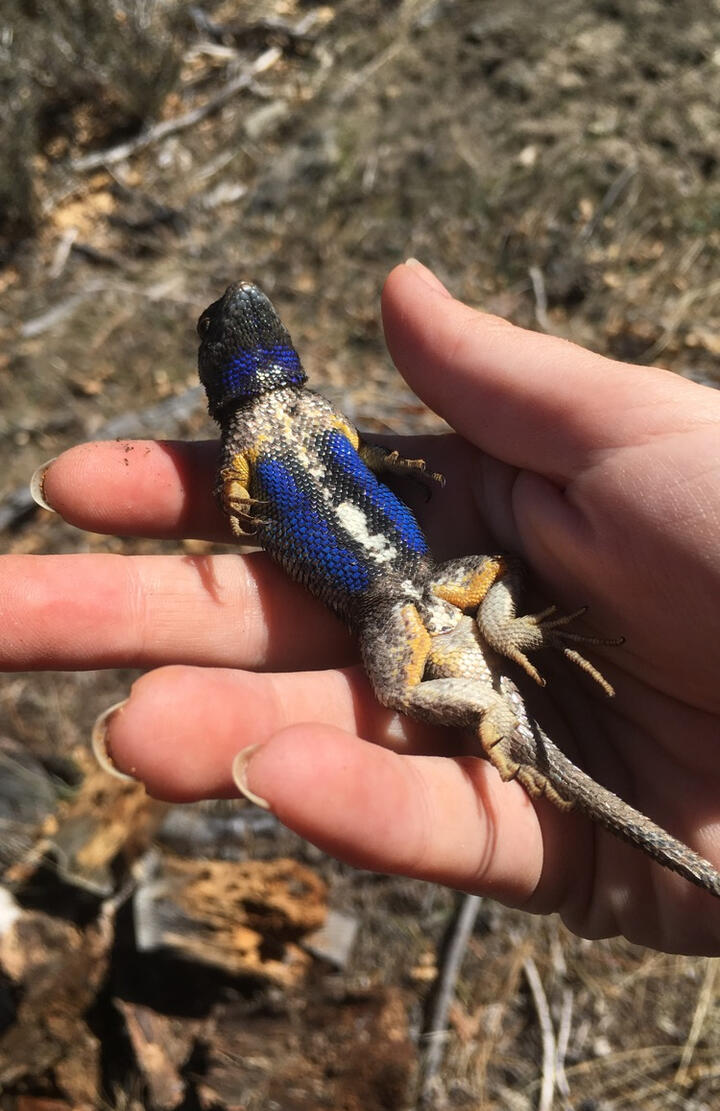
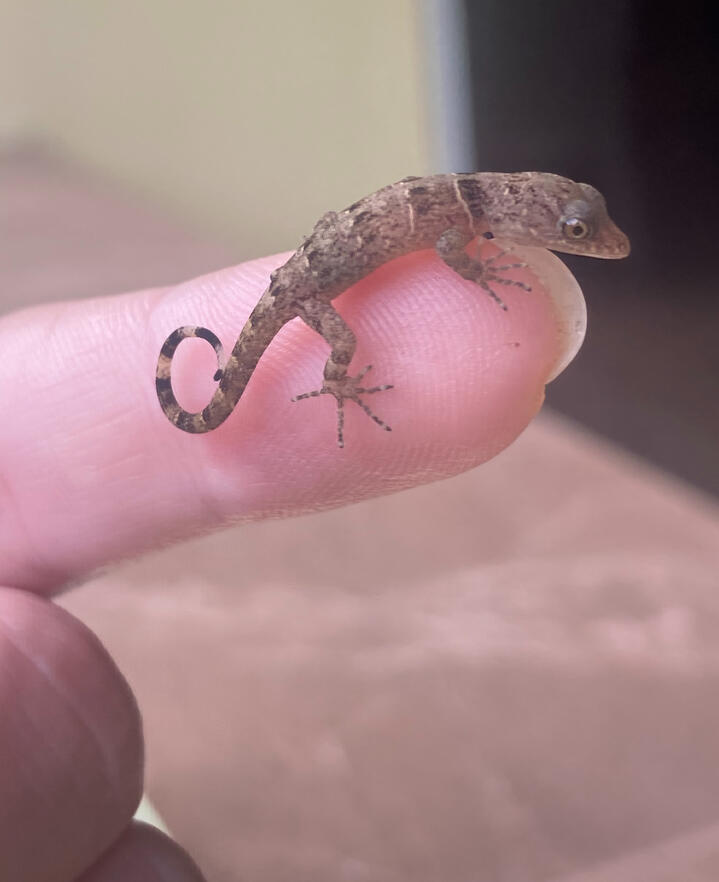
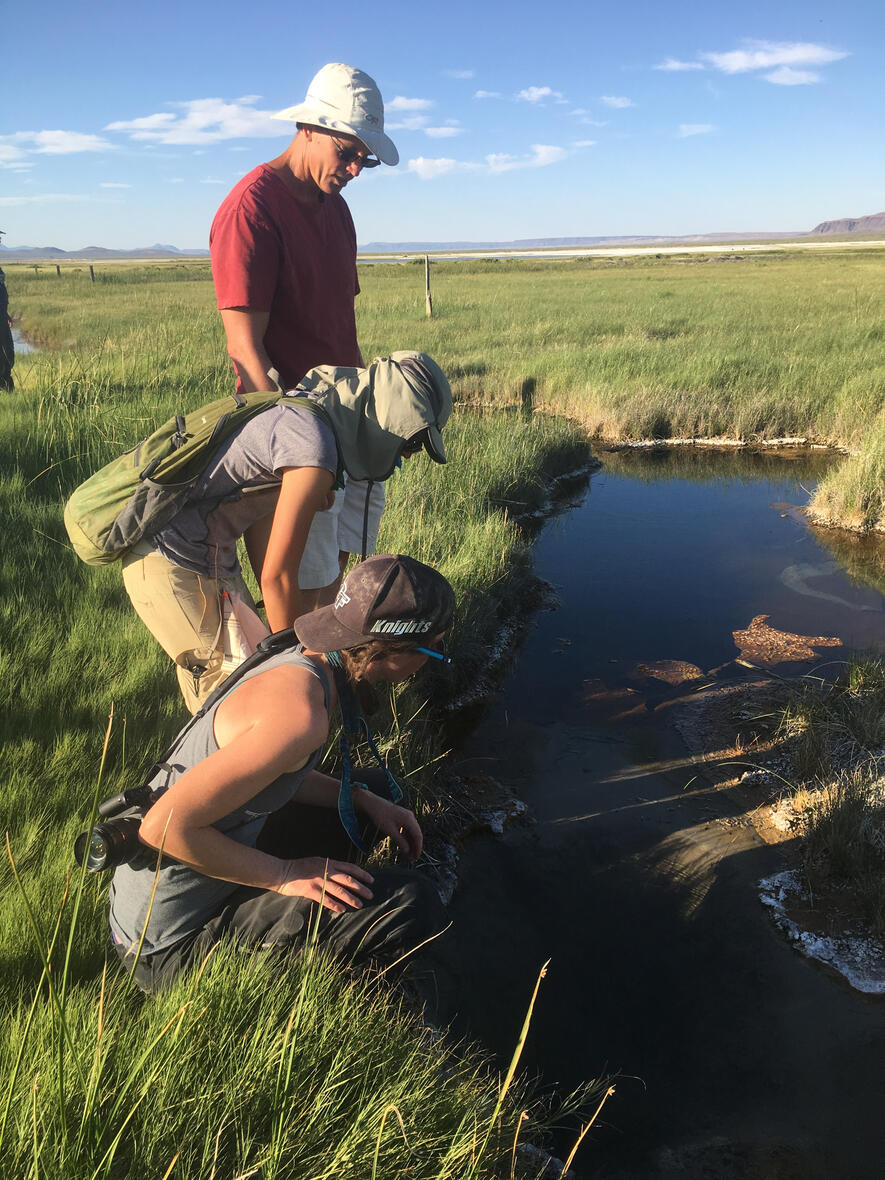
Working with the Institute for Wildlife Studies, I helped organize and carry out the first ever herpetological survey of the Lost Coast region of Northern California. Ongoing work shows the possible extension of the range of giant salamander species and very healthy amphibian biodiversity which will help conservation decisions for the area. Read up on our project here.Highlighted Previous studies (please visit my CV section for a comprehensive list of my previous research)
Education and Outreach
My outreach focuses on increasing accessibility to science for underserved communities, and decreasing the information bottleneck that makes academic research only available to other academics.Leona Heights:
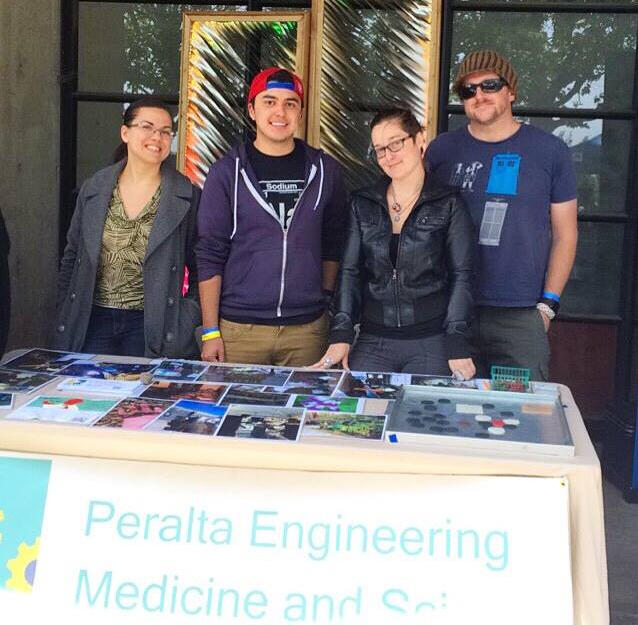
While serving as president of my community college Science Society, I created a project to encourage stream conservation in underserved communities in Oakland, California. This restoration effort is ongoing, and helps local communities take charge of restoration efforts.Erell Institute:
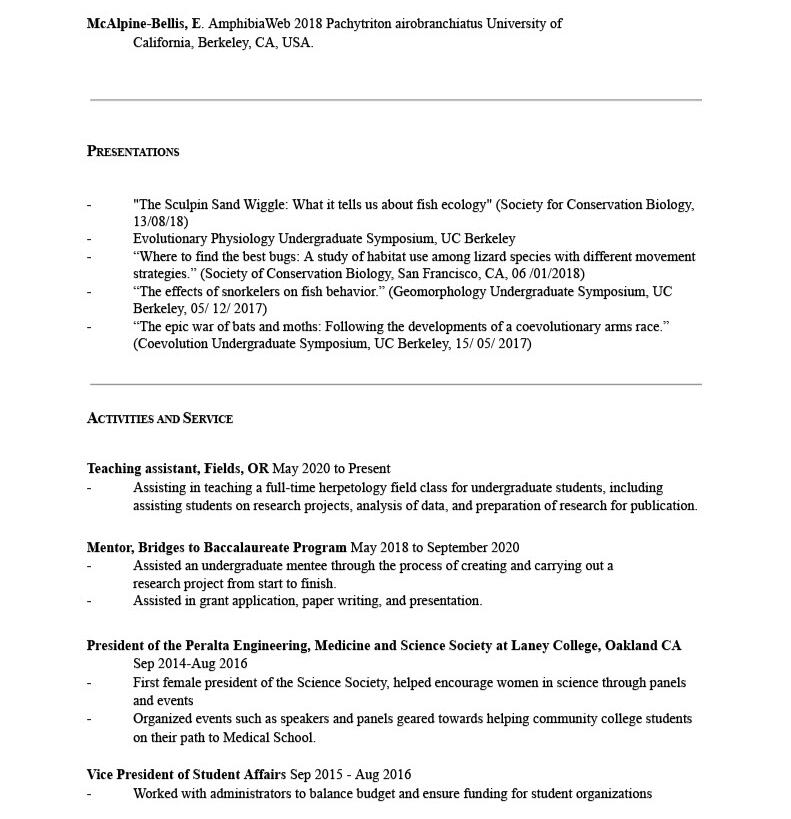
I work as a teaching assistant for the Erell Institute, on a project that provides undergraduate women in science with opportunities to conduct fieldwork in herpetology. This project involves conducting fieldwork and publication and gives women an opportunity to get a foothold in an otherwise male-dominated field.Skype A Scientist:
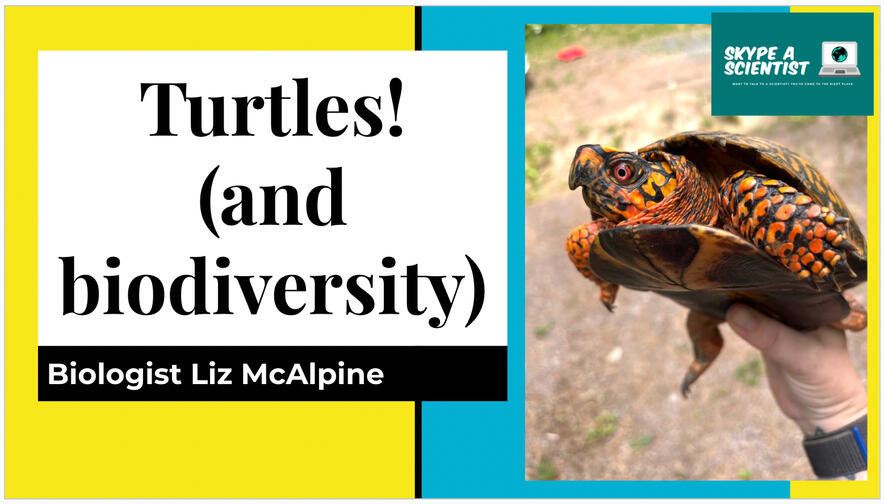
As part of an ongoing effort to encourage science communication for youth, I participate in numerous meetings with the Skype-A-Scientist project, giving lectures to students about the importance of scientific research and my day-to-day work as a scientist. If you would like me to speak to your class, send me an email to set up a remote or in-person visit.
Publications
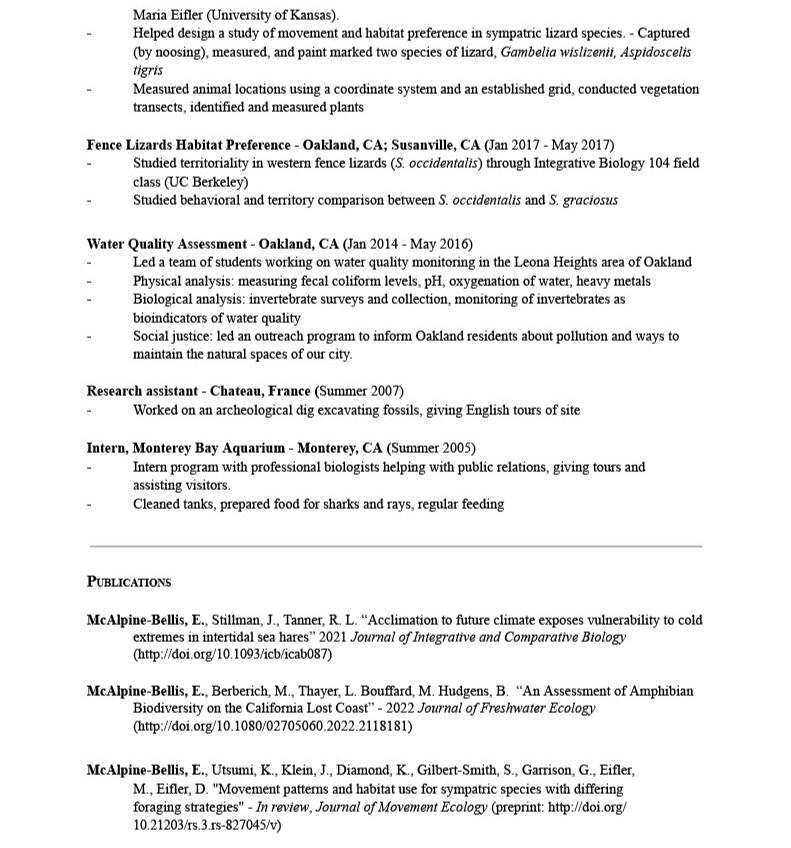
McAlpine-Bellis, E., Utsumi, K., Klein, J., Diamond, K., Gilbert-Smith, S., Garrison, G., Eifler, M., Eifler, D. "Movement patterns and habitat use for sympatric species with differing foraging strategies"
2023 Journal of Ecology and Evolution (http://doi.org/10.1002/ece3.10422)McAlpine-Bellis, E., Berberich, M., Thayer, L. Bouffard, M. Hudgens, B. “An Assessment of Amphibian Biodiversity on the California Lost Coast” 2022 Journal of Freshwater Ecology
(http://doi.org/10.1080/02705060.2022.2118181)McAlpine-Bellis, E., Stillman, J., Tanner, R. L. “Acclimation to future climate exposes vulnerability to cold extremes in intertidal sea hares” 2021 Journal of Integrative and Comparative Biology (http://doi.org/10.1093/icb/icab087)McAlpine-Bellis, E. AmphibiaWeb 2018 Pachytriton airobranchiatus University of California, Berkeley, CA, USA.
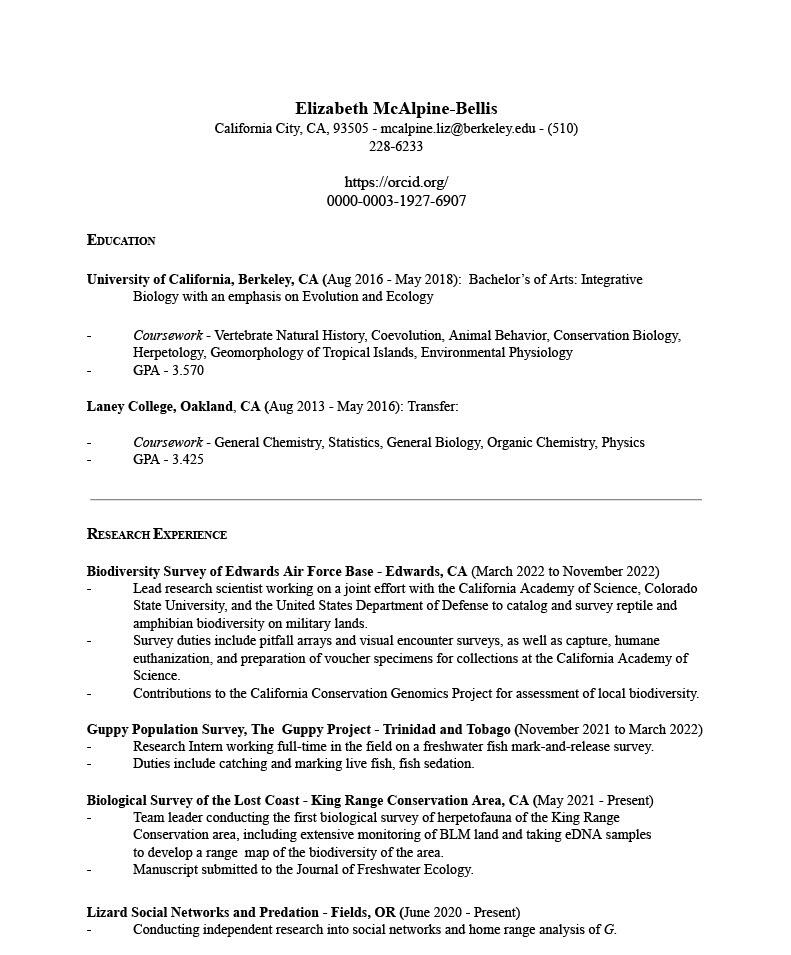
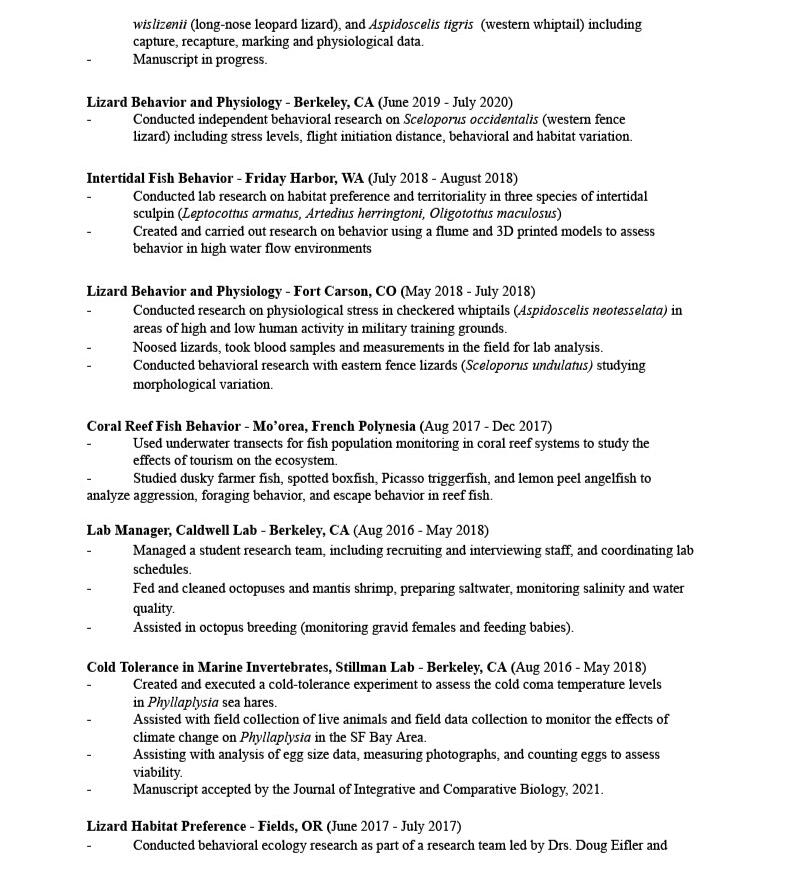
Curriculum Vitae
Contact
Email
[email protected]Address
414 Forestry Resources Building
University Park, PA
16802